
Professionalising NHS digital roles beyond the badge
HPN South took place on 15–16 October 2026 at the Radisson Blu Edwardian Hotel, Heathrow.
The NHS wants to professionalise its digital, data and technology workforce. There is just one rather fundamental problem: it does not yet know exactly how many people make up that workforce.
"We don't even know how many DDaT professionals work in the NHS in England. Ironically, for data and analytics professionals, we can't count them."
Ruth Holland
That contradiction went to the heart of one of the final discussions at HPN South. Professional registration promises safer services, clearer standards and stronger careers. But the conversation in the room quickly exposed how much remains unresolved: who needs to register, which professional body they should join, who pays and what happens to clinicians who already hold another registration.
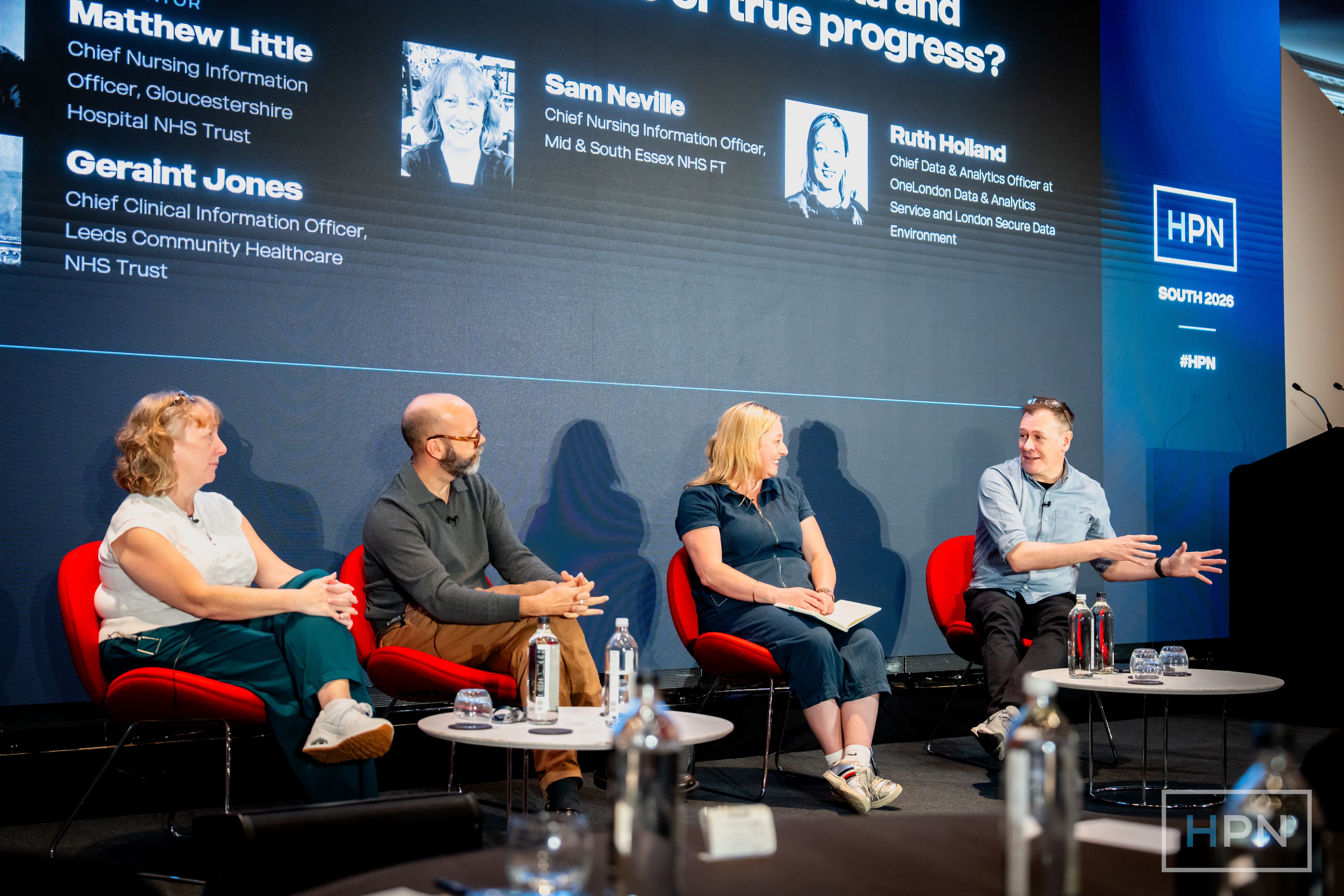
Matthew Little guided the discussion, joined by Ruth Holland, Sam Neville and Geraint Jones. Between them they brought perspectives from nursing, allied health, clinical informatics, data and analytics - and noticeably different views on how far professionalisation should go.
When digital competence becomes patient safety
The strongest case for professionalisation was not status. It was safety. Neville compared it with the assurance offered by registered nurses and doctors: technology now underpins almost every part of a hospital, yet accountability for the people designing, configuring and interpreting it is far less visible.
"For me, it means safety and accountability. A hospital probably wouldn't run without technology, but how do we know it's safe - and who's accountable for that?"
Sam Neville
Holland made the same point from data and analytics. Analysts, data scientists and engineers are already part of the multidisciplinary team. Their work can determine whether long-waiting patients are identified, how people are segmented by risk and which services they receive. Errors are not abstract technical failures; they can change care.
Professional status could also protect staff when the pressure comes from above. Holland described data professionals being asked to change figures because the results did not reflect well on an organisation. A recognised code of conduct, backed by a professional body and a community of peers, gives an individual somewhere to stand when a more senior colleague asks them to cross a line.
Recognition matters as much as regulation
For Jones, professionalisation was also about seeing digital expertise for what it is. Too many highly skilled people are still treated as if they are simply 'playing with a computer in a back room', despite the NHS being unable to deliver modern care without them.
"They're not just somebody playing with a computer in a back room. They have a huge amount of knowledge, and without them we can't deliver excellent healthcare."
Geraint Jones
That lack of recognition is built into workforce structures. Data and analytics specialists may still sit under administrative and clerical job families, while the many disciplines inside DDaT are flattened into a single request to 'contact IT'. The result is limited visibility, inconsistent job titles and career routes that are difficult for staff to navigate.
"Digital in most trusts is woefully underappreciated and woefully underfunded. We're losing fantastic staff to the private sector. Money is not the issue; it's the appreciation and the recognition."
Audience contribution
Professional registration could begin to change that, particularly if it brings meaningful access to continuing professional development. Holland referred to research in which career progression and CPD, rather than salary, were the leading reasons data and analytics staff left the NHS. She argued that registration should help establish a right to ongoing development that the workforce does not currently have.
In a field where the technology, risks and required skills change rapidly, ten hours of CPD a year was described as nowhere near enough. A register may provide recognition, but it will only strengthen the workforce if organisations also give people the time and support to keep developing.
The danger of treating DDaT as one profession
The challenge is that DDaT is not a single, easily defined profession. It includes service desks, infrastructure, cyber security, software configuration, clinical informatics, data science, analytics and many other specialisms. The skills required to configure one EPR are not the same as those needed to build a patient segmentation model or lead a digital transformation programme.
Jones warned against a broad requirement that assumes everybody working in DDaT needs the same form of registration. He drew a parallel with clinical services, where registered professionals work alongside healthcare assistants and therapy technicians whose contribution is essential but whose roles do not require professional registration. The NHS needs to distinguish between people who should be formally registered and accountable, and those whose skills should be recognised through a different route.
Cost adds another layer. The panel discussed membership and registration fees that may appear modest beside some clinical bodies, but still matter to staff who feel underpaid and under-recognised already.
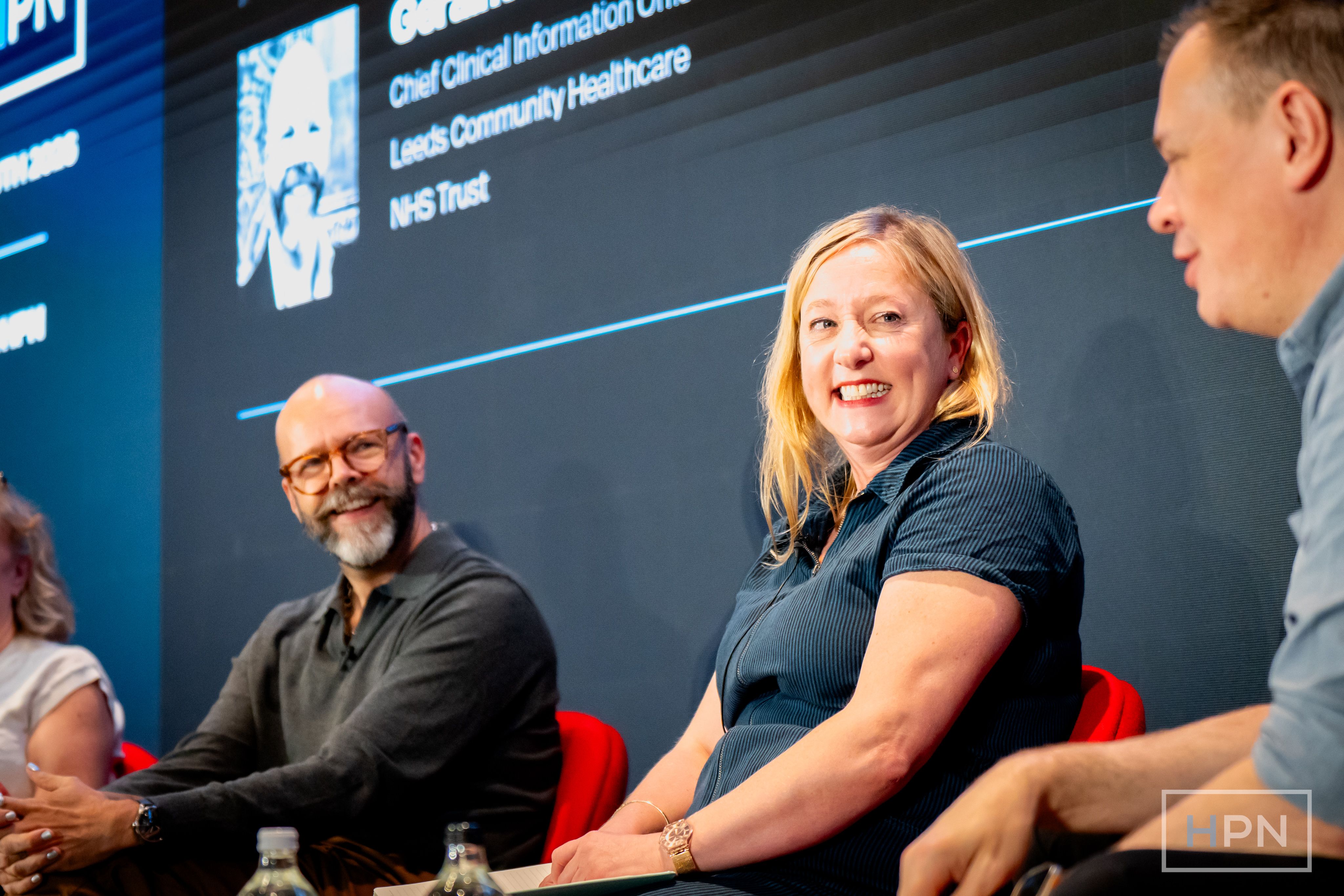
Neville argued that people need a much clearer answer to a simple question: if they are being asked to pay to join a professional body, what are they getting in return?
The NHS England position was described as a 'progressive commitment' rather than an immediate mandate, with senior staff affected first and other bands following over time. Yet the announcement appears to have travelled further than the explanation. Several people in the room knew professionalisation was coming but remained unclear about the process, available bodies and practical value of joining now.
Digital clinicians do not fit neatly into one register
The question becomes more complicated for nurses, doctors and allied health professionals who have moved into digital roles. Their clinical registration remains central to their identity and credibility, but it may not fully recognise the specialist digital skills they now use every day.
Some panellists had chosen to register twice; others questioned whether that should be necessary. One suggestion was to record digital expertise as an additional specialism within an existing clinical registration, much as other advanced skills can be recognised. That could avoid asking people to fund and maintain two separate registrations while still acknowledging their place in the DDaT profession.
There was no settled answer. What was clear was the need to involve digital clinicians in designing it. Professionalisation will struggle to command support if it feels like something imposed on the workforce rather than built with it.
A register cannot do the work alone
The debate returned to what must sit around registration: clearer job families, consistent role descriptions, realistic career pathways, protected CPD and better communication. Without those changes, professionalisation risks becoming a badge attached to the same underlying problems.
It also needs to improve practice, not simply recognise it. When an audience member raised the quality of NHS data, Holland's response was direct: poor data will produce poor results, however sophisticated the technology placed on top of it. Professional standards should therefore strengthen the disciplines that determine whether data is complete, trustworthy and safe to use.
So is professionalisation symbolic or true progress? The discussion suggested it can be genuine progress, but registration alone is not the finish line. Its value will depend on whether it gives staff clearer recognition, stronger protection and real opportunities to develop - without closing the door on talented people whose experience does not fit a conventional route.
For now, the workforce is still at the beginning of that journey. As Little acknowledged in closing, people want to comply, grow and be recognised as professionals. What many still need is a clearer explanation of what they are being asked to do, and a more meaningful role in deciding what happens next.
"Please can we get involved in that conversation? This involves me, my career and my future. We want to be compliant, we want to grow and we want to be professional."
Matthew Little
Join the next discussion at HPN North
If you missed this discussion at HPN South, your next opportunity to join the conversation is HPN North on 29 and 30 April 2027 at The Manchester Deansgate. Senior NHS and ICS leaders will examine the workforce, leadership and technology challenges shaping digital transformation. Applications are open for complimentary delegate places, subject to approval.